
Custom Plant Packaging Boxes: A Complete Guide for Safe Plant Shipping
Shipping and packaging live plants come with unique challenges. Ensuring that plants stay healthy, secure, and undamaged during transit requires high-quality, durable packaging solutions. Custom plant packaging boxes are essential for transporting plants, particularly when addressing the needs of growers, retailers, or individual green thumbs. In this comprehensive guide, we’ll explore the best practices for plant packaging, the types of boxes available, and actionable advice for safe and eco-friendly plant shipping.
Why High-Quality Plant Packaging Boxes Matter
Plants are living organisms that require special care during shipping. Unlike typical products, they are fragile, temperature-sensitive, and vulnerable to physical damage. Proper plant packaging ensures that plants remain healthy upon arrival, which is vital for customer satisfaction and reducing transit-related losses.
Custom plant packaging boxes are designed to address these specific requirements. They provide the cushioning, structure, and ventilation necessary to maintain the integrity of the plants. Moreover, using robust and well-designed boxes creates a professional impression on your customers.
Key Features of Effective Live Plant Packaging
When choosing packaging for plants, it’s essential to look beyond aesthetics. The functionality of the packaging plays a critical role in preserving the plant’s health and appearance.
- Durable Materials: Boxes made from sturdy cardboard are ideal for withstanding handling and environmental factors during transit.
- Ventilation: Proper airflow prevents humidity buildup and ensures plants can breathe during the shipping process.
- Shock Absorption: Inner padding or dividers within the box minimizes the risk of mechanical damage.
- Eco-Friendly Options: Biodegradable and recyclable materials reduce environmental impact without compromising functionality.
- Custom Sizing: Boxes tailored to specific plant sizes, such as small pots or large shrubs, prevent excessive movement during transit.
Types of Plant Packaging Boxes
Whether you’re dealing with succulents, bonsai, or large houseplants, there’s a packaging solution available for every need. Below, we discuss some of the most common options on the market:
1. Live Plant Shipping Boxes
These boxes are designed specifically to handle the rigors of shipping live plants over long distances. They include airflow vents, reinforced sides, and secure locking mechanisms. Live plant shipping boxes are an excellent choice for e-commerce businesses and plant nurseries.
2. Large Plant Packaging Boxes
Designed for handling oversized plants or multiple items, large plant packaging boxes provide extra space and structural support. They are ideal for shipping tall houseplants or trees that require additional protection and stability during transportation.
3. Plant Packaging Boxes for Shipping
A popular choice for postal services, these boxes often include compartments for pots, soil, and stems to minimize shifting and damage in transit. Plant packaging for shipping ensures that even delicate species arrive in pristine condition.
4. Cardboard Packaging for Plants
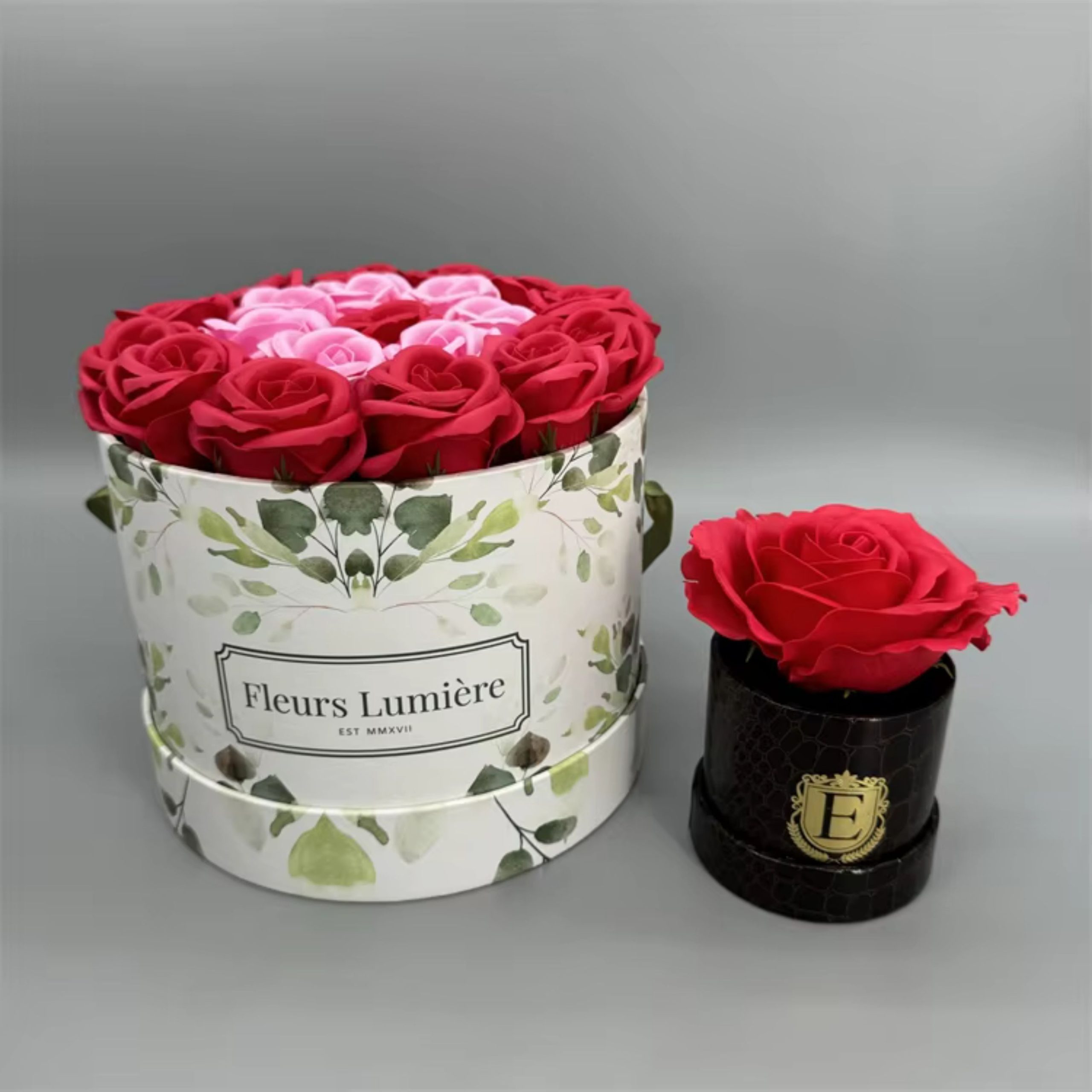
Cardboard packaging is not only cost-effective but also eco-friendly. Thanks to its versatility, it is commonly used for wrapping individual potted plants or bundling smaller plants together. Its lightweight properties lower shipping costs while maintaining reliability.
5. Plant Packaging Boxes DIY Kits
For those looking for a more hands-on approach, DIY kits for plant packaging offer a customizable solution. These kits often include pre-cut cardboard pieces, padding materials, and assembly instructions. They are perfect for small-scale shipping or personalized gifting.
How to Maintain Plant Health During Shipping
While selecting the right packaging is critical, there are additional steps you can take to ensure the health of live plants during transit:
- Proper Watering: Avoid overwatering plants before shipping, as excess moisture can lead to root rot during transit.
- Labeling: Clear labeling such as “Live Plants – Handle with Care” alerts shipping personnel to handle the packages cautiously.
- Temperature Control: Shipping during mild weather conditions or using insulated boxes helps prevent extreme temperature exposure.
- Choose Reliable Carriers: Partner with carriers experienced in handling perishable or delicate items.
Why Custom Plant Packaging Boxes Are the Best Solution
Customization addresses the specific needs of unique plant types, ensuring optimal safety and presentation. For instance, orchids require snug packaging with ample ventilation, while cacti often need rigid spacing to protect their spines. Opting for Custom Plant Packaging Boxes allows for precise tailoring to your requirements, boosting both functionality and customer appeal.
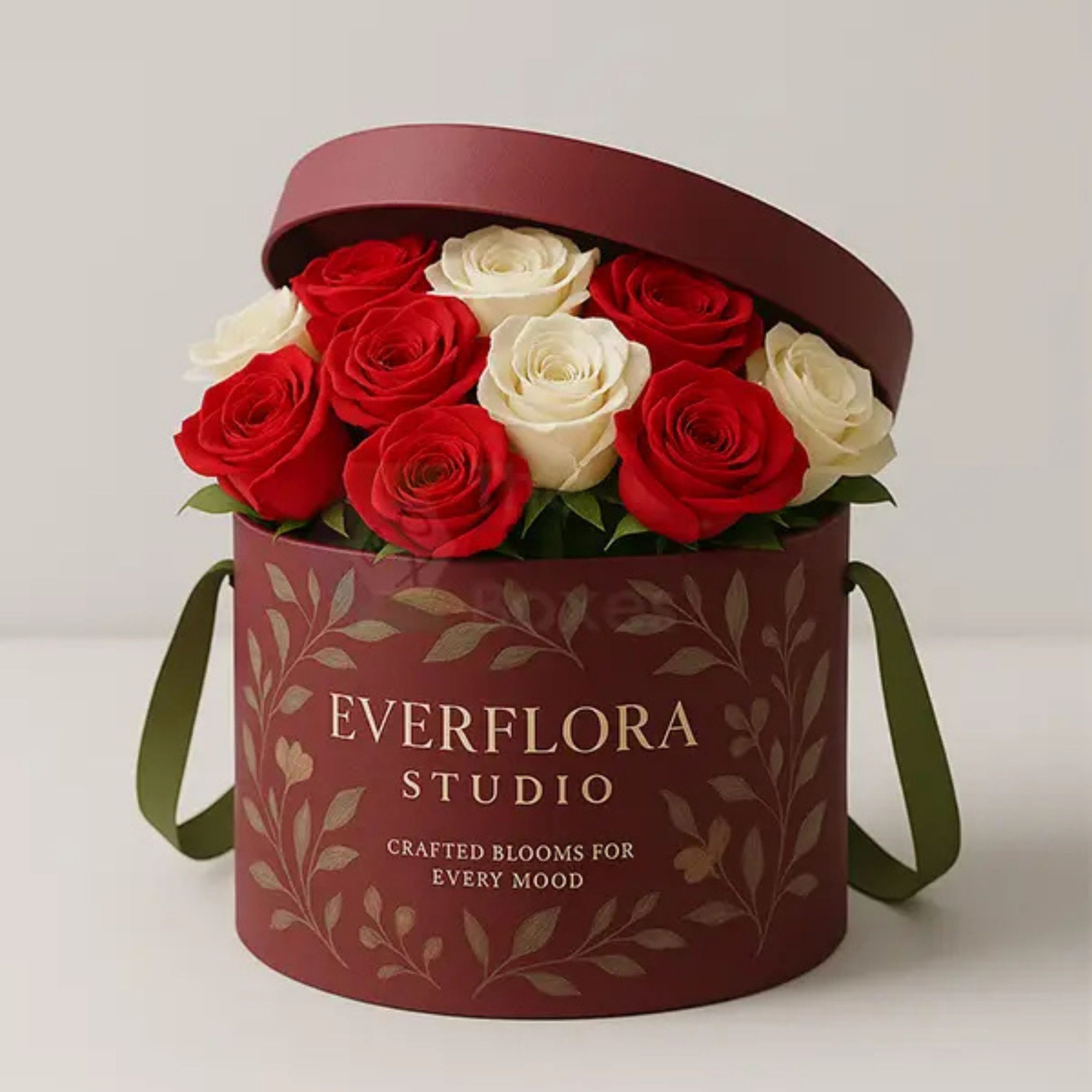
Moreover, custom boxes can feature branding elements, enhancing your business’s recognition and professionalism. With logos, eco-certifications, and product descriptions printed directly on the packaging, you not only secure the plant but also impress your customers.
Conclusion
Shipping live plants successfully requires much more than standard packaging solutions. From ensuring proper ventilation to selecting appropriately sized boxes, the effort you put into your plant packaging directly influences your customers’ satisfaction and the health of the delivered plants. Embracing custom solutions like those offered by Packaging Boxes Co ensures a perfect balance of practicality, aesthetics, and environmental responsibility.
Whether you’re a business owner looking to ship plants routinely or an individual sending a treasured plant to a loved one, investing in durable and tailored packaging is key. Let Packaging Boxes Co support you on your sustainable and secure packaging journey.
