
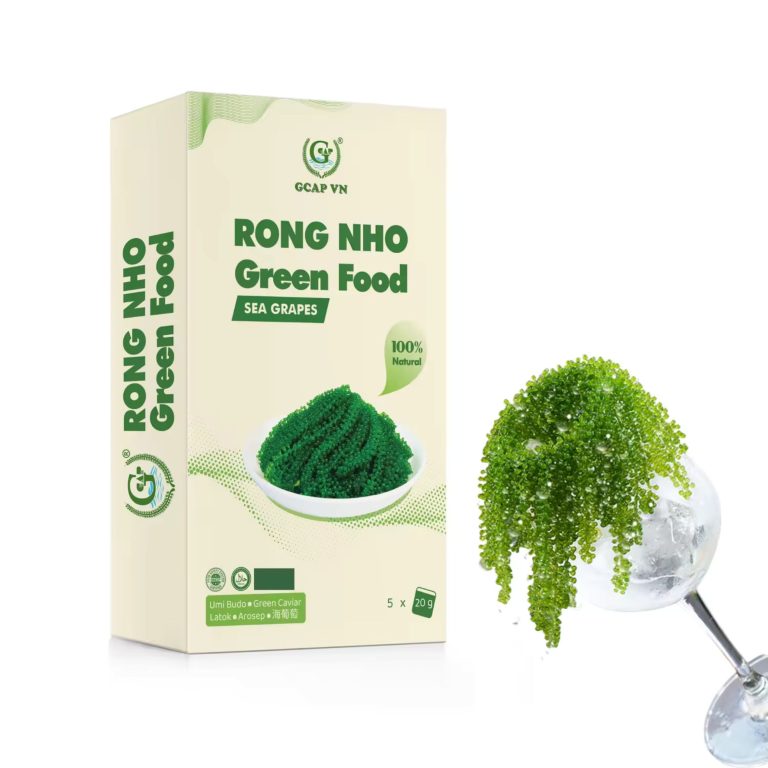
Revolutionizing Packaging with Seaweed: The Future of Sustainable Boxes
As environmental concerns reach critical global importance, sustainable alternatives to traditional plastic and cardboard packaging are more vital than ever. Among these solutions, seaweed packaging boxes stand out as a game-changing innovation. These eco-friendly packaging options are not only biodegradable but also versatile, durable, and aligned with the vision of a greener future.
In this article, we’ll explore the rise of seaweed as a sustainable packaging material, how companies like Notpla are revolutionizing the industry, and how you can incorporate seaweed packaging into your business practices. Let’s dive deep into this transformative development in the world of custom packaging.
What Are Seaweed Packaging Boxes?
Seaweed packaging boxes are made from natural seaweed extracts, serving as an eco-friendly alternative to traditional plastic and synthetic materials. One of their most significant advantages is the rapid biodegradation process, which ensures they don’t contribute to long-term pollution. Seaweed packaging comes with additional benefits such as being vegan-friendly, non-toxic, and entirely natural, making them an incredible choice for environmentally conscious brands and consumers.
Companies like Notpla, a leader in seaweed packaging innovation, have already made strides in producing cutting-edge seaweed products, from boxes to edible drink capsules. Notpla’s mission focuses on reducing dependency on single-use plastics by creating materials that biodegrade as naturally as a piece of fruit peel.
The Advantages of Using Seaweed in Packaging
Seaweed is quickly becoming a preferred material in the packaging industry due to its numerous ecological and business benefits:
- Biodegradability: Seaweed-based packaging materials fully decompose within weeks, unlike plastics that take hundreds of years to degrade.
- Sustainability: Seaweed is a renewable resource that grows abundantly and requires minimal freshwater or fertilizers.
- Reduced Carbon Footprint: The cultivation and processing of seaweed generate significantly lower greenhouse gas emissions compared to conventional packaging production methods.
- Customizability: Seaweed packaging boxes can be tailored to specific designs, colors, and branding needs, enhancing branding while remaining eco-friendly.
Innovative solutions such as seaweed plastic bags, produced by companies like Notpla, showcase the versatility of algae-based materials. These alternatives offer flexibility and durability, making them a viable replacement for harmful single-use plastics.
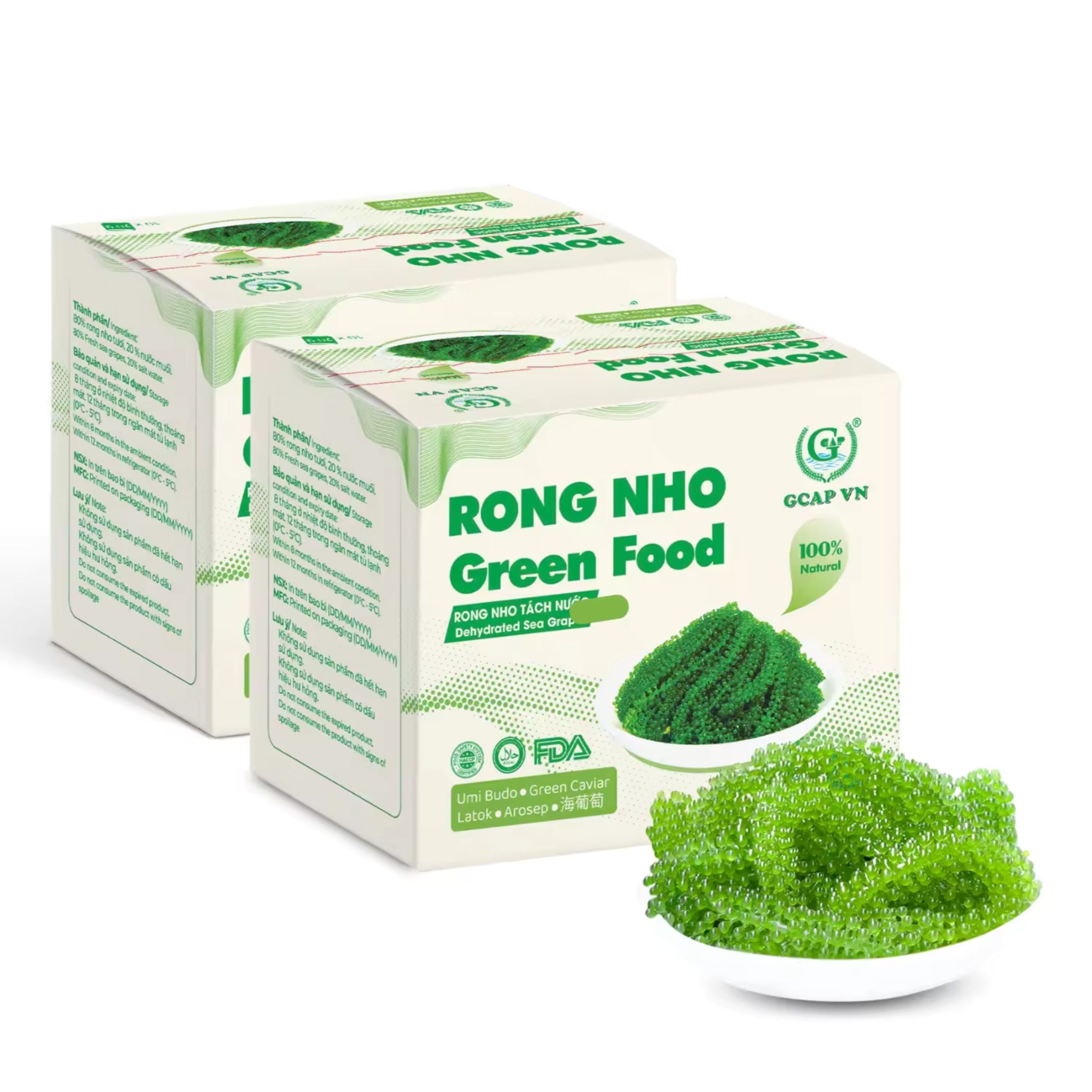
How to Make Seaweed Packaging
The process of creating seaweed packaging involves a series of eco-conscious manufacturing steps. Below, we outline the general methodology:
- Harvesting Seaweed: The process begins with sustainably collecting seaweed from underwater farms or coastal regions, ensuring no harm to marine ecosystems.
- Processing Extracts: Seaweed is processed to extract specific natural polymers such as agar, carrageenan, or alginate—substances that give seaweed its unique film-forming properties.
- Formulation: The extracted ingredients are combined with other plant-based materials to enhance strength and malleability, resulting in a versatile bioplastic compound.
- Shaping: This compound is then molded into desired shapes and sizes, such as boxes or bags, using mechanical or thermal processes.
- Final Touches: Customization options, such as printing brand logos or adding colors using organic dyes, are applied during the final stage of production.
This innovative manufacturing method highlights how industries can leverage marine resources responsibly to combat plastic waste. By choosing Custom Seaweed Packaging Boxes, brands not only contribute to a cleaner planet but also elevate their sustainability ethos.
Notpla Packaging: A Pioneer in Seaweed Innovation
Notpla, short for “Not Plastic,” is a revolutionary company spearheading efforts to replace non-biodegradable materials with sustainable options derived from seaweed. The company produces a wide range of eco-friendly products, including Notpla seaweed packaging and seaweed plastic bags. These biodegradable materials represent a leap forward in combating plastic pollution.
What sets Notpla apart is its commitment to research and development. The company has patented several innovations, including water-resistant coatings for boxes and plant-based alternatives to cling film, that maintain product integrity while being kind to the environment.
Seaweed Packaging vs. Conventional Alternatives
How does seaweed packaging fare when compared to traditional materials? Let’s highlight the differences in the table below:
| Feature | Seaweed Packaging | Plastic/Conventional Materials |
|---|---|---|
| Biodegradability | 100% Biodegradable | Non-biodegradable |
| Environmental Impact | Low Impact | Significant Pollution |
| Material Source | Renewable Seaweed | Petrochemical-based |
| Customization | Highly Customizable | Limited |
By choosing eco-conscious solutions like seaweed packaging for your products, you can stay ahead of sustainability trends while meeting regulatory and customer demands for environmentally sound practices.
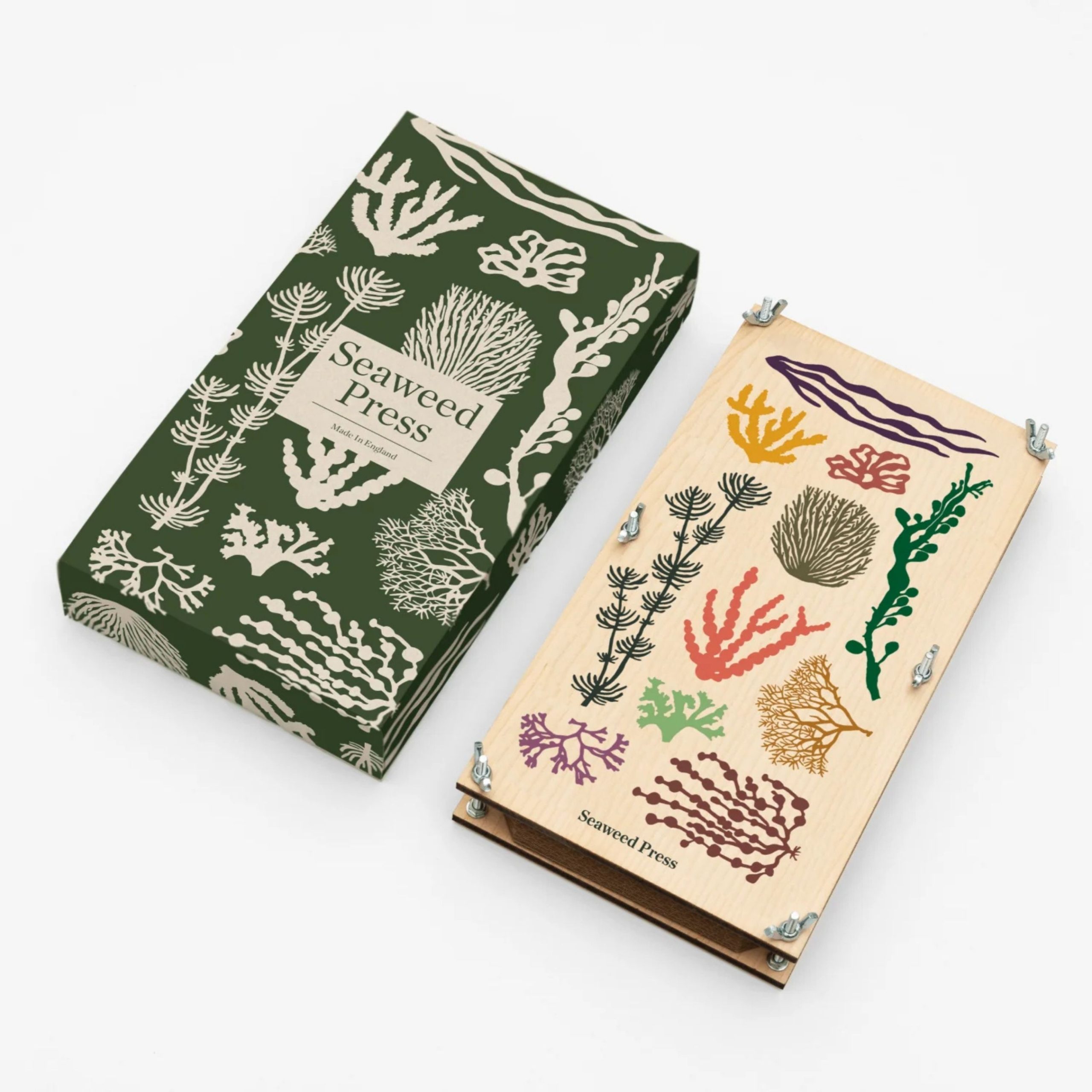
Conclusion
The era of sustainable packaging is here, and seaweed packaging solutions are at the forefront of this transformation. Whether you’re interested in using Notpla seaweed packaging or exploring the broader applications of algae-based materials, embracing these solutions demonstrates your commitment to both innovation and environmental stewardship.
Ready to take the first step toward a greener future for your business? Trust the expertise of Packaging Boxes Co to provide you with premium-quality, sustainable boxes tailored to your needs. Browse our range and see how you can make a significant impact today!
